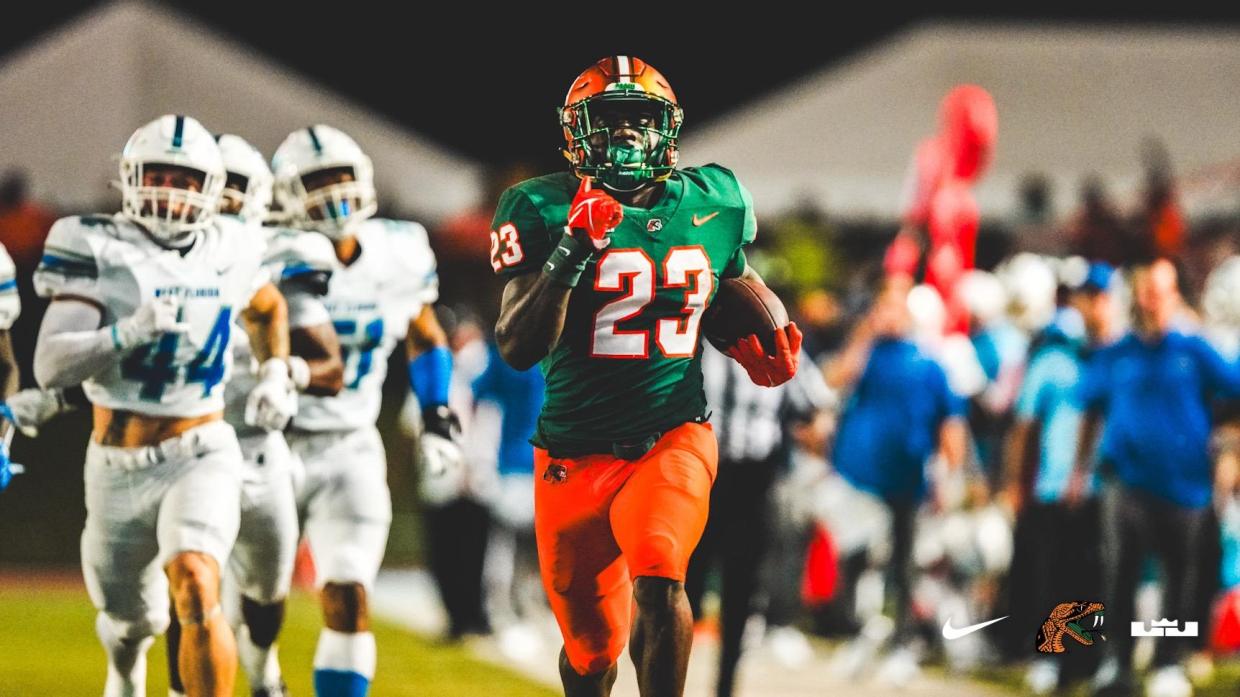
Florida A&M University may have averted a significant disruption to its radio broadcast operations. The institution, which had faced the prospect of interrupted game coverage, now appears positioned to keep its radio broadcasts on the air.
Radio broadcasts represent a vital connection between HBCUs and their extended communities. For institutions like FAMU, radio coverage of athletic events—particularly football and basketball—extends the reach of the university far beyond campus borders, allowing alumni, supporters, and fans across the country to stay connected to Rattler athletics and campus life. The ability to maintain consistent broadcast operations is essential to institutional visibility and community engagement.
The specific details of how FAMU has resolved the situation remain limited, but the development signals that the university has identified a workable path forward. This kind of operational challenge is not uncommon in higher education, where institutions must balance competing budget priorities, technical requirements, and service commitments to their communities.
For HBCUs in particular, radio broadcasts carry special significance. Historically, radio has been a primary medium through which Black communities have maintained cultural and institutional connections. FAMU's broadcasts serve not only current students and staff but also the broader network of alumni and supporters who follow the university's athletic programs and campus news. The continuity of these broadcasts reinforces institutional identity and keeps the FAMU community engaged across geographic distances.
The fact that the university appears to have found a solution suggests institutional commitment to maintaining these essential services. Whether through budget reallocation, partnership arrangements, or operational adjustments, FAMU's leadership has apparently determined that keeping radio broadcasts operational is a priority worth the effort required to sustain it.
This development also reflects broader conversations within the HBCU community about resource management and the importance of maintaining the infrastructure that connects institutions to their constituencies. As HBCUs continue to navigate complex financial and operational landscapes, decisions about which services to maintain and how to fund them carry real weight for campus communities and alumni networks.
Why this matters: Radio broadcasts are a lifeline for HBCU communities, particularly for alumni and supporters who cannot attend games in person. When an HBCU maintains its broadcast operations, it affirms its commitment to keeping its extended family connected and informed. For Florida A&M, avoiding a broadcast interruption means the Rattler Nation can continue to follow their university's story, whether they're in Tallahassee or thousands of miles away. This kind of operational continuity, though sometimes taken for granted, is fundamental to how HBCUs sustain their institutional culture and community bonds across generations.